
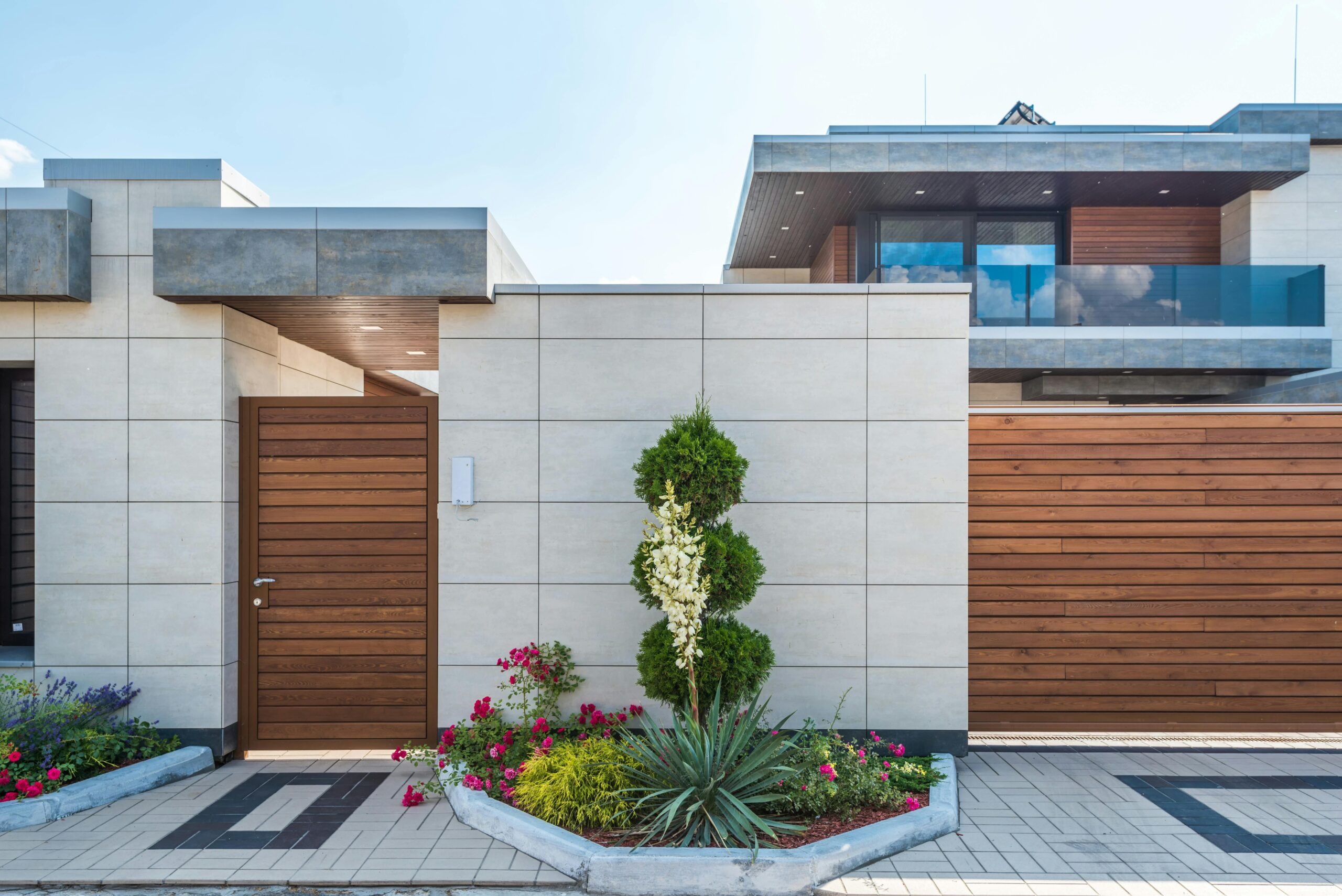
Rooftop gardening in April 2026 has transitioned from a luxury hobby to a vital component of “Climate-Resilient Urbanism.” As city temperatures rise, rooftop gardens are being designed as “Thermal Shields” that cool the building below while providing a private, high-altitude sanctuary.
Here is how to design a modern rooftop garden that balances structural safety with the 2026 “Organic Minimalist” aesthetic.
1. The 2026 Structural Baseline: “Lightweight Luxury”
Before aesthetics, rooftop design in 2026 prioritizes the “Weight-to-Water” ratio.
- “Air-Light” Growing Media: Traditional soil is too heavy for most rooftops. Designers now use engineered substrates composed of volcanic pumice, perlite, and coconut coir. These mixes provide maximum aeration for roots while weighing 60% less than topsoil.
- Modular Decking: Rather than heavy stone pavers, 2026 rooftops utilize Aluminum-Framed Porcelain Tiles or FSC-Certified Bamboo Decking. These systems are “floating,” meaning they sit on adjustable pedestals to allow for perfect drainage and easy access to the roof membrane.
- Wind-Screening: High-altitude winds are the biggest challenge. Use perforated metal screens or slatted timber panels rather than solid walls. This “breaks” the wind while allowing enough airflow to prevent the structure from acting like a sail.
2. The “Cloud-Scape” Aesthetic
In line with the 2026 “Soft Modernism” trend, rooftop layouts are moving away from rigid lines toward circular and “S-curve” paths.
- The Arched Horizon: Incorporate arched trellises to create “green tunnels.” Use hardy climbers like Star Jasmine or Silver Vein Creeper to create a sense of enclosure without the weight of a solid roof.
- The “Faded Petal” Palette: Mirroring interior trends, rooftop blooms are focused on muted, sophisticated tones. Look for Ivory Blush Roses or Lavender Phenomenal—varieties specifically bred for high-wind and high-heat tolerance.
- Reflective Accents: Use polished stainless steel or glass-topped fire tables to reflect the city lights at night, blurring the boundary between your garden and the skyline.
3. Functional Zoning for High-Altitude Living
Even on a small roof, 2026 design focuses on “Micro-Zoning” to maximize utility.
| Zone Type | 2026 Design Feature | Planting Strategy |
| The Sky Lounge | Low-slung, modular “rope-back” furniture. | Surrounded by Ornamental Grasses to provide a “rustling” acoustic buffer. |
| The Culinary Edge | Raised “Bento” boxes with self-watering reservoirs. | High-value, sun-loving edibles: Thai Basil, Peppers, and Strawberries. |
| The Reflection Nook | A single “Floating” hammock or egg chair. | Screened by Columnar Evergreens like Skyrocket Junipers. |
4. Smart Technology: The “Autonomous Roof”
Because rooftops are subject to extreme evaporation, 2026 systems are almost entirely automated.
- Hyper-Local AI Weather-Sensing: Systems like the Rachio 4 or Netro are essential. They skip watering cycles during the humid “Marine Layer” mornings common in coastal cities, preventing fungal growth.
- Integrated Photovoltaics: “Solar Pergolas” are the top rooftop trend this year. These structures provide shade for your seating area while generating enough power to run the garden’s smart lighting and irrigation pumps.
- Dark-Sky Lighting: To protect migratory birds and preserve the view of the stars, 2026 rooftop lighting uses Warm 2700K LEDs tucked into the base of planters, casting a soft “up-glow” rather than projecting light into the sky.
5. Sustainability: The “Pollinator Penthouse”
A rooftop garden in 2026 is considered a “stepping stone” for urban wildlife.
- Bird-Safe Design: Use non-reflective glass railings or incorporate “UV-Patterned” decals that are visible to birds but invisible to humans.
- Native Seed Pockets: Even in a high-design roof, leave a few “wild” pockets of native wildflowers. This supports urban bees and butterflies that travel high above the street level in search of “Nectar Stations.”
Designer Pro-Tip: To make a rooftop feel larger, follow the “Perspective Pull” technique. Place larger, broader-leafed plants (like Fatsia Japonica) near the entrance and finer-textured plants (like Mexican Feather Grass) near the edge. This creates a visual “taper” that makes the skyline feel like an extension of your own garden.