
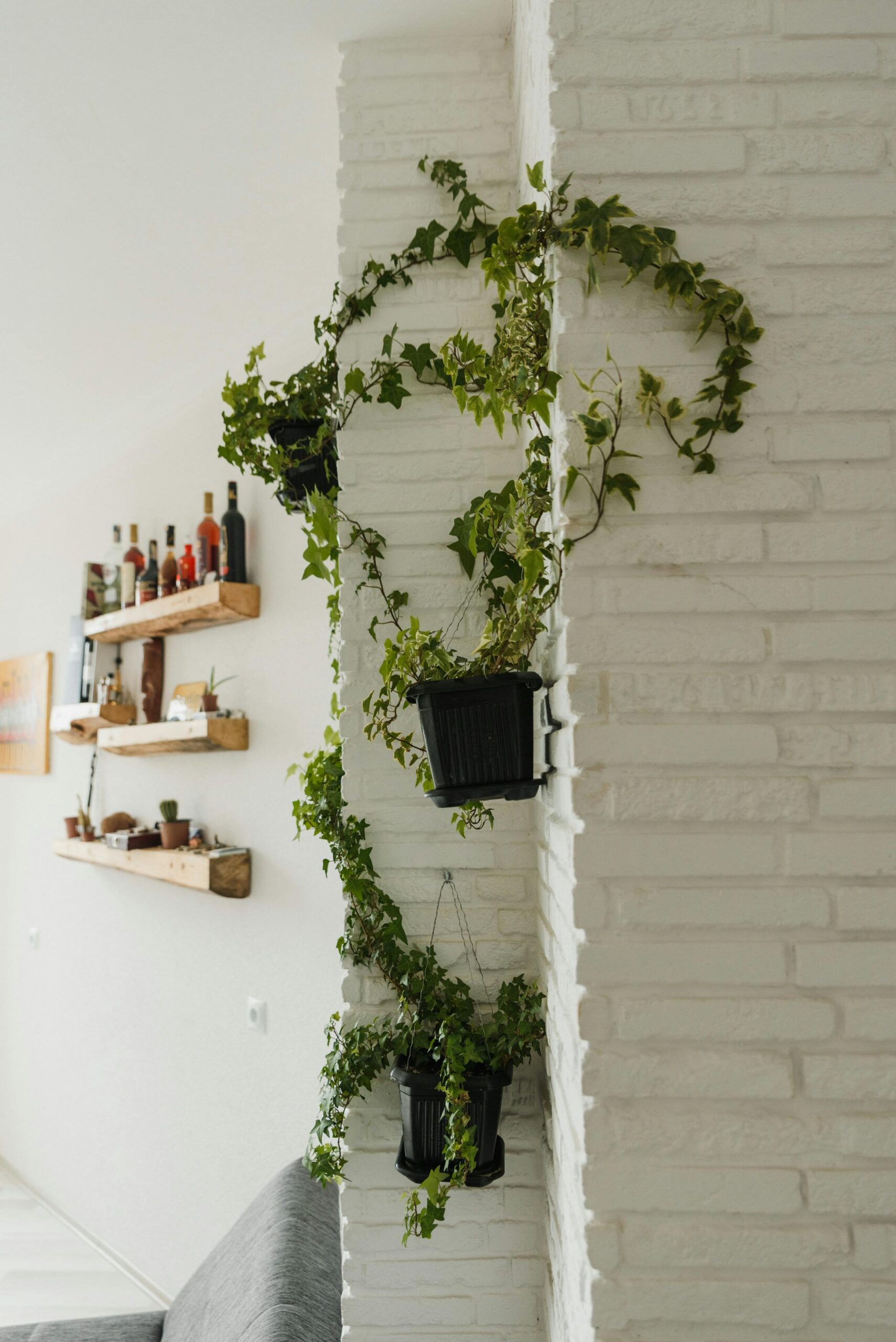
Home gardening layouts in April 2026 have moved away from static rows toward Succession Landscapes. The goal is a “living puzzle” where as one season’s harvest or bloom fades, the next is already positioned to take its place.
Since it is currently late April, we are in the critical transition from the cool Rabi (winter) season to the high-heat Kharif (monsoon) season.
1. The “Bento Box” Layout (April to June)
This layout is designed for the current Spring-to-Summer bridge. It utilizes “Nurse Planting”—placing sun-loving summer seedlings in the shade of fading winter greens.
- The Center (Summer Core): Plant your Okra, Bitter Gourd, and Eggplant now. These are the “Sun Kings” of May and June.
- The Perimeter (Fading Winter): Keep your final harvest of Onions, Lettuce, and Radishes around the edges. As you pull these out over the next two weeks, they leave behind “nutrient pockets” for the summer crops’ roots to expand into.
- The Vertical Frame: Use your trellises for Sponge Gourd (Tori) or Cucumber. In April 2026, the trend is “Edible Arches” that provide shade for the delicate herbs below.
2. The “Jewel-Toned” Maximalist Layout
A major trend for 2026 is Maximalist Gardening—dense, layered planting that covers every inch of soil to prevent moisture loss during the coming May heatwave.
- The High Layer (Jewel Tones): Plant Deep Purple Agapanthus and Jewel-Toned Dahlias. These provide the rich, saturated ruby and sapphire colors trending this year.
- The Mid Layer (Climate-Resilient): Intersperse Echinacea and Salvia. These are the “Climate Superstars” of 2026, requiring almost no water once the June heat sets in.
- The Groundcover (No-Empty-Soil): Use Sweet Potato vines or Mint as living mulch. By covering the soil completely, you reduce the ground temperature by up to 5°C.
3. Seasonal Planting Calendar: Pakistan/Punjab 2026
In this region, April is the “Golden Month” for switching from cool-weather crops to heat-tolerant varieties.
| Season | Planting Window | Primary Crops | 2026 Layout Strategy |
| Spring/Summer (Kharif) | Late Feb – April | Tomato, Chillies, Okra, Gourds, Melons. | Zoning for Shade: Group gourds on the West side to shade smaller vegetables from the harsh afternoon sun. |
| Monsoon (Late Kharif) | June – July | Maize, Sugarcane, Pumpkin. | The “Rain Bed”: Raised mounds (6 inches) to prevent root rot during heavy July downpours. |
| Winter (Rabi) | Sept – Nov | Peas, Carrots, Spinach, Cauliflower. | South-Facing Rows: Maximum sun exposure during the shorter, cooler days of December. |
4. The 2026 “Lemonading” Transition
If your winter crops are currently “bolting” (going to seed prematurely due to the April heat), do not pull them out immediately.
- Let the Cilantro/Coriander Bloom: In 2026, leaving bolted herbs in your layout is called “Lemonading” (turning a mistake into a benefit). The flowers attract the specific pollinators needed for your new summer Tomatoes and Chillies.
- Succession Pockets: As a winter plant is removed, immediately fill the hole with a “Quick-Crop” like Radishes or Summer Spinach. This keeps the soil biology active and prevents weed invasion.
5. Layout Maintenance for April 2026
- The 2:00 PM Check: In late April, observe where the sun hits at 2:00 PM. This is the “Kill Zone.” Move your pots or install 75% Green Shade Cloth over these specific spots to prepare for the May peak.
- Hydro-Zoning: Group your plants by thirst level. Put your water-loving Melons and Cucumbers in one zone with a dedicated drip line, and your drought-tolerant Salvias in another. This prevents overwatering the “Keystone” natives.
2026 Pro-Tip: “Foodscaping” is the dominant layout style this year. Don’t hide your vegetables in the back. Mix Rainbow Chard and Red Chillies directly into your front-yard flower borders for a “functional aesthetic” that reduces your grocery bill.