
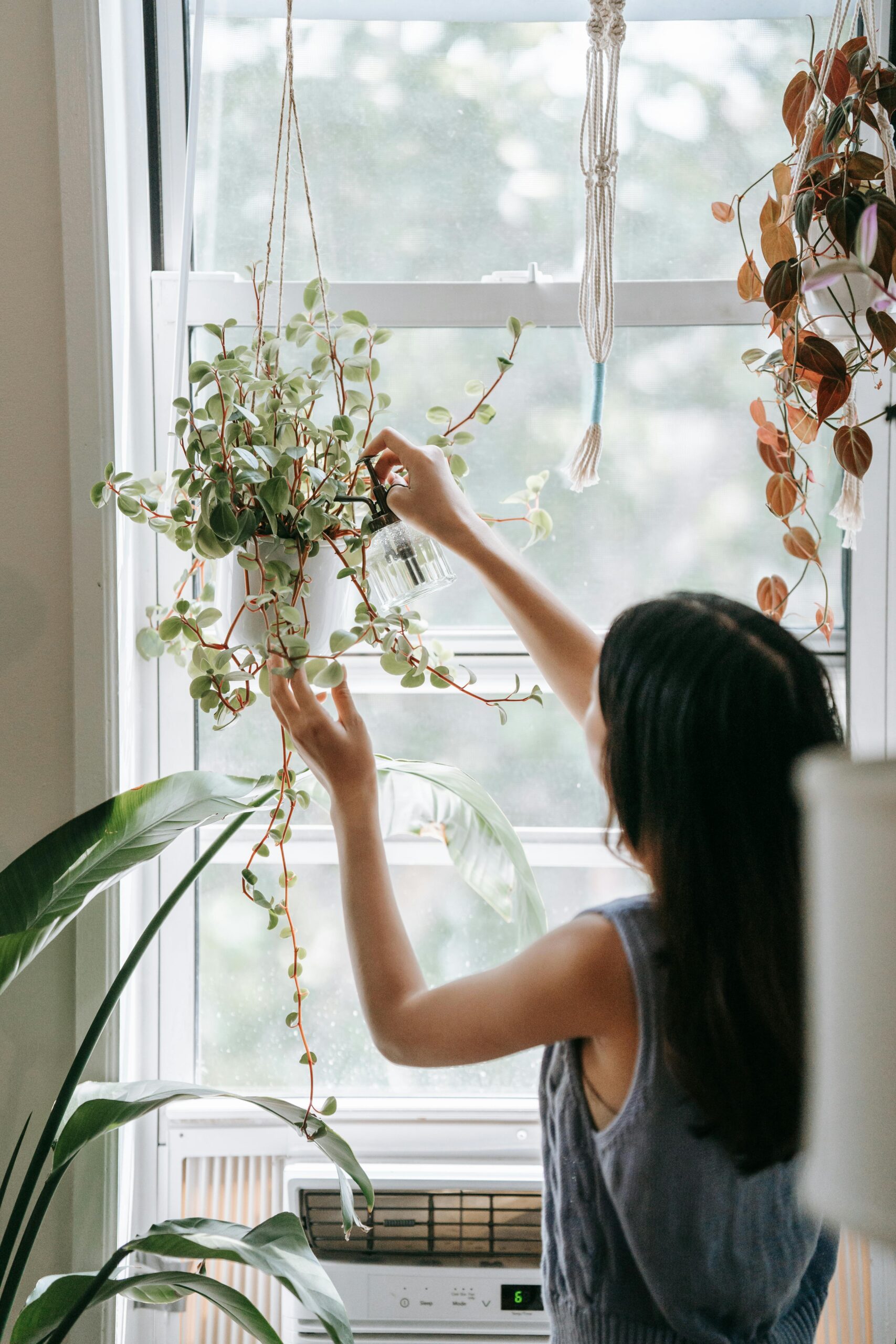
Designing a garden that mirrors your interior style is about creating a “visual bridge” between your four walls and the great outdoors. In 2026, the trend of “Seamless Indoor-Outdoor Living” has moved beyond simple sliding doors to a total synchronization of textures, color palettes, and furniture shapes.
Here is how to align your garden with the most popular interior styles of the year.
1. Match Your Aesthetic to a Garden Style
The first step is identifying which “landscape language” speaks to your indoor decor.
| Interior Style | Corresponding Garden Style | Key Elements |
| Minimalist / Scandi | Modern / Zen | Clean lines, geometric layouts, neutral stone (slate/concrete), and “architectural” plants like Ornamental Grasses or Japanese Maples. |
| Cottagecore / Farmhouse | English Cottage | Abundant, “spilling” flower beds, gravel paths, and romantic blooms like Foxgloves, Roses, and Lavender. |
| Bohemian / Eclectic | Naturalistic / Exotic | Layered planting, “mini-meadows,” hammocks, and mixed materials like terracotta and reclaimed wood. |
| Industrial | Urban Architectural | Corten steel planters, gabion walls (rock in wire cages), dark metal accents, and structured evergreens. |
| Traditional / Classical | Formal Garden | Symmetrical boxwood hedges, central focal points (fountains or statues), and manicured lawns. |
2. The “Visual Bridge” Strategy
To make the transition feel natural, use these three design “anchors”:
- Color Echoing: Take the “Color Story” of your living room and apply it to your blooms. In 2026, the trending color is “Faded Petal”—a soft, ash-kissed pink. If your interior features these tones, use plants like Ivory Blush Roses or October Magic Camellias to pull that color outdoors.
- Flooring Continuity: If you have light oak floors, use pale timber decking or light-colored gravel. If your kitchen features dark slate, use matching slate pavers for your patio. This makes the garden feel like an extra room rather than a separate entity.
- Furniture Parity: 2026 garden furniture is no longer “outdoor-looking.” Use upholstered lounge sets with flowing shapes and weather-resistant fabrics that look exactly like your indoor sofa.
3. 2026 Trend Spotlight: “Botanical Bento”
For those with smaller spaces or urban interiors, the “Botanical Bento” trend is the 2026 secret to style matching. This involves creating “story-driven” container gardens that act as modular extensions of your home:
- For Modern Interiors: Sleek, black geometric pots with a single specimen plant (like a Yucca).
- For Rustic Interiors: Wooden log planters with textural greens and woodland ferns.
- For Mediterranean Interiors: Terracotta urns with clipped topiaries and fragrant herbs like Rosemary.
4. Functional Synergy
A garden should “work” like your favorite indoor room. In 2026, homeowners are designing “Purpose-Driven Zones”:
- The Garden Office: If you have a minimalist home office, design a quiet “outdoor pod” surrounded by privacy hedges like Coppertop Sweet Viburnum.
- The Edible Kitchen Extension: If you love to cook, create a “foodscape” close to your kitchen door with raised planters for herbs and “Vertical Bento” salads.
5. Smart Integration
Don’t forget the tech. A “beautiful” garden in 2026 is also a smart one. Match your home’s smart ecosystem with App-Controlled Lighting and Smart Irrigation. This ensures your curated “interior-style” plants stay lush even during dry spells, maintaining the aesthetic year-round.
Designer Tip: Look through your most-used window. Think of that window as a picture frame. Whatever is in the “foreground” (pots or small fountains) should match the fine details of that room, while the “background” (trees or fences) provides the broader style context.