
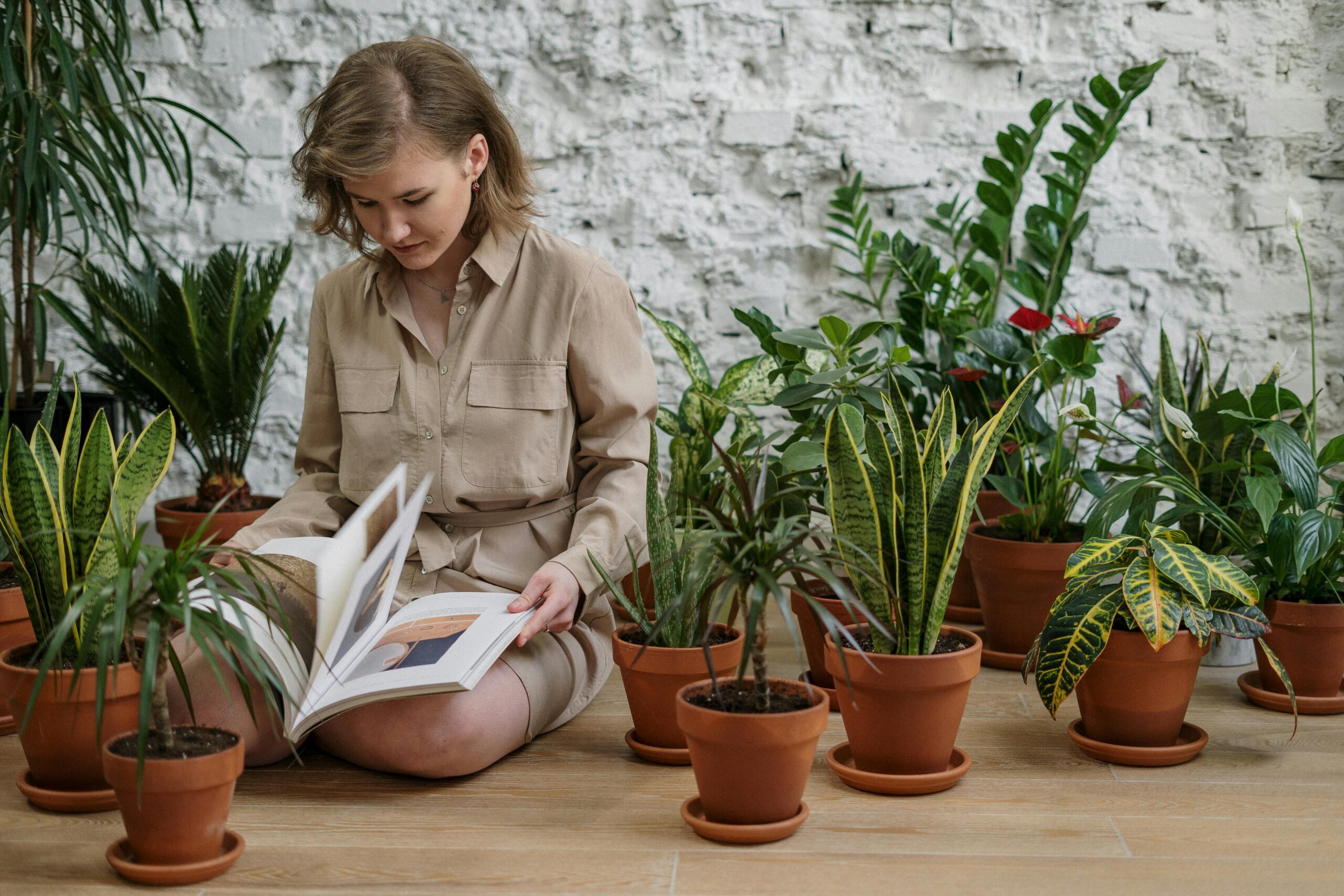
Sustainable home design in 2026 has evolved from a “checklist of features” into a holistic philosophy known as Regenerative Living. The goal is no longer just to “do less harm,” but to create homes and gardens that actively improve the local environment.
1. The “Net-Positive” Home Structure
In 2026, the focus has shifted toward Carbon-Negative Materials that pull CO2 out of the atmosphere.
- Mycelium & Hempcrete: These bio-based materials have gone mainstream. Mycelium (fungi root networks) is being used for high-efficiency insulation, while Hempcrete provides carbon-sequestering walls that are naturally fire-resistant and breathable.
- Green & Self-Healing Concrete: To reduce the massive footprint of traditional cement, 2026 builds use “Green Concrete” (infused with industrial by-products) and “Self-Healing” variants that use bacteria to seal cracks, extending the building’s lifespan by decades.
- Post-Gray Interiors: The “sterile gray” look is officially over. 2026 interiors use Warm Earth-Rooted Palettes (terracottas, clays, and deep walnuts) paired with natural fibers like hemp and linen dyed with plant-based pigments.
2. Eco-Friendly Garden Trends: “Keystone Focus”
Sustainable gardening has moved beyond just “planting natives” to a strategic approach called Keystone Planting.
- Keystone Species: Designers are prioritizing “superstar” plants that support the highest percentage of local wildlife. For example, planting a single Oak tree can support over 2,300 species.
- Pocket Forests: Also known as Miyawaki Forests, these are dense, multi-layered plantings of native trees and shrubs packed into small urban lots (even 3×10 feet). They grow 10x faster and provide 30x more biodiversity than traditional landscaping.
- Rain Gardens & Bioswales: With 2026 seeing more intense weather cycles, “Rain Gardens” are now a standard feature. They turn drainage problems into beautiful basins that filter pollutants and recharge groundwater.
3. Energy & Water: The Invisible Efficiency
- Biological Lighting: To protect local pollinators (and human circadian rhythms), 2026 “Dark Sky” lighting uses shielded, downward-facing fixtures with warm 2700K bulbs. This prevents light pollution that confuses birds and nocturnal insects.
- Greywater Harvesting: New 2026 homes often feature “Greywater” systems that collect wastewater from showers and sinks, treat it, and use it to irrigate the garden, reducing fresh water demand by up to 50%.
- Smart Solar Integration: Beyond roof panels, 2026 homes use Solar Glass (transparent windows that generate power) and integrated battery walls that allow for “Micro-Grid” sharing with neighbors.
4. 2026 Sustainability Snapshot
| Feature | Traditional Sustainable | 2026 Regenerative |
| Plants | General Natives | Keystone Superstars (High-impact wildlife support). |
| Materials | Recycled Plastic | Bio-Materials (Mycelium, Hempcrete, Mycelium). |
| Water | Rain Barrels | Rain Gardens & Bioswales (Landscape-integrated). |
| Food | Back-yard Vegetable Bed | Foodscaping (Edibles woven into front-yard beauty). |
| Lighting | Standard LED | Dark-Sky Compliant (Pollinator-friendly). |
5. “Slow Decorating” & The Two-Week Rule
A major cultural shift in 2026 is the rejection of “fast furniture.”
- Slow Decorating: This involves building a home’s interior over time with high-quality, upcycled, or modular pieces that are meant to last 20+ years.
- The Two-Week Rule: Before making a purchase, homeowners are encouraged to wait 14 days. If the desire remains, it’s considered a long-term investment; if it fades, it was an impulse buy driven by a passing trend.
2026 Designer Tip: A yard that “hums with life” is now more desirable than a perfectly manicured lawn. Leaving leaf litter for overwintering insects and incorporating deadwood for habitat are now considered signs of a sophisticated, high-end garden.