
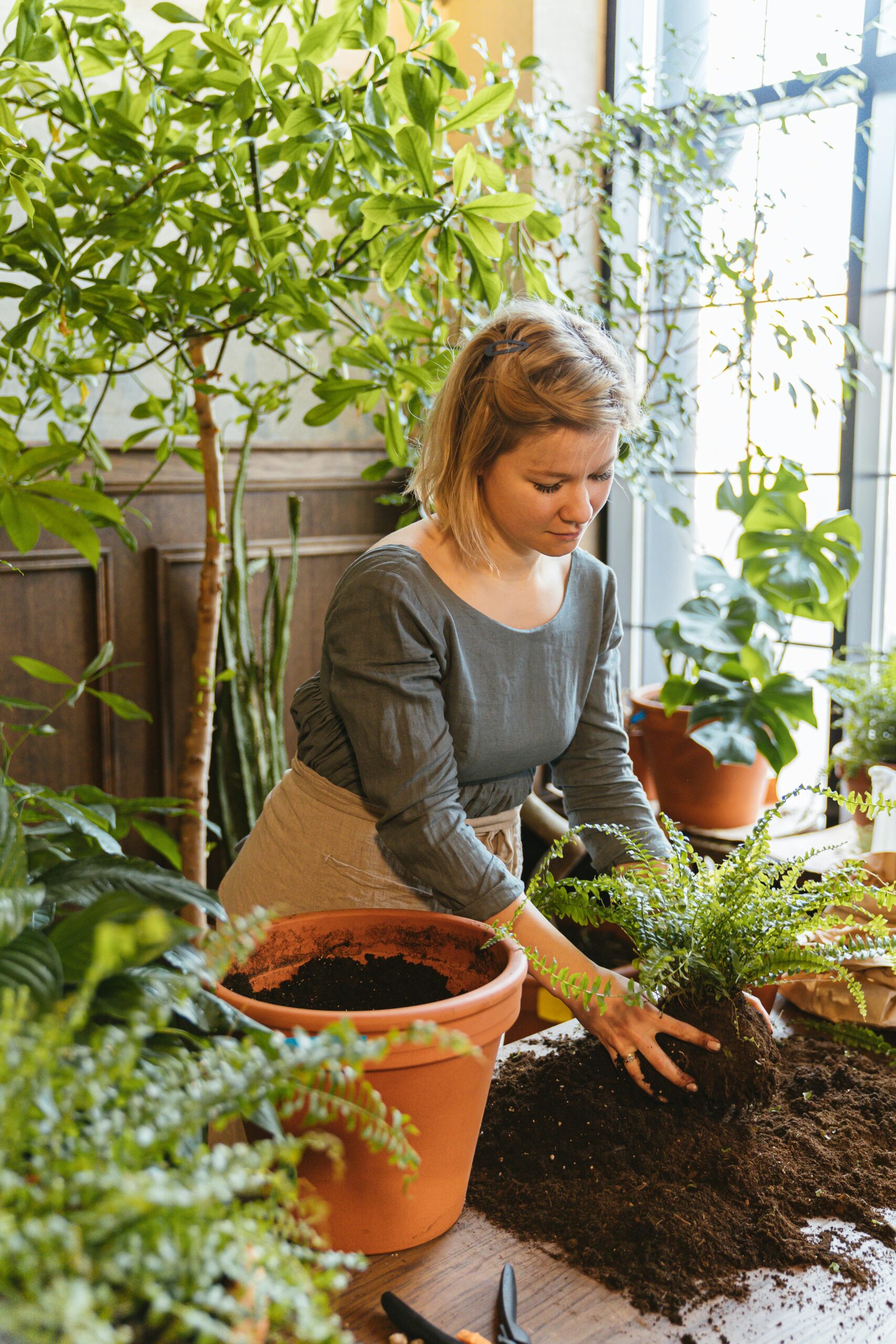
In 2026, home décor has moved beyond the “indoor jungle” aesthetic toward Biophilic Artistry. The focus is on using greenery not just as a filler, but as a deliberate design element that enhances the architectural lines and emotional “frequency” of your home.
Here are the most impactful ways to use natural plants and flowers to elevate your space this year.
1. The “Single Branch” Philosophy
Modern minimalism in 2026 favors the “Hero Specimen” over a collection of small pots. This approach creates a clean, high-end look that highlights the plant’s unique structure.
- The Look: A single, large architectural branch—such as Magnolia, Olive, or Dried Eucalyptus—placed in a heavy, textured ceramic floor vase.
- Aesthetic Tip: Position the vase in a corner where it can cast dramatic shadows. This turns the plant into a living shadow-art installation as the sun moves across the room.
2. “Faded Petal” Floral Arrangements
The 2026 color palette is dominated by “Faded Petal”—muted, ash-kissed pinks, ivories, and “muddy” lavenders.
- Sustainable Foraging: Move away from bright, dyed supermarket bouquets. Instead, use “Wild-Look” arrangements featuring Dried Grasses, Sedum, and Hellebores.
- The Ikebana Influence: Use the Japanese art of Ikebana (the “living flower”). Use a “Kenzan” (pin frog) in a shallow stone bowl to create an arrangement where the negative space is just as important as the flowers.
3. Living “Room Dividers”
As open-plan living continues to be popular, plants are being used as soft architectural partitions to define zones without blocking light.
- The “Green Screen”: A floor-to-ceiling slender trellis or a custom shelving unit filled with trailing Philodendron Silver Sword or Heartleaf Pothos.
- Zoning with Height: Use tall, slender plants like Dracaena Draco or Snake Plants in a long, rectangular trough to separate a home office from a living area.
4. Textural Layering: The “Botanical Bento”
For coffee tables or mantles, the “Botanical Bento” trend involves creating a curated “box” or tray of different botanical textures.
| Element | Texture Type | 2026 Example |
| The Base | Low & Velvety | Anthurium Crystallinum or a moss-covered stone. |
| The Middle | Rigid & Sculptural | Sansevieria or a succulent like Echeveria. |
| The Top | Wispy & Ethereal | Air Plants (Tillandsia) or a single sprig of Baby’s Breath. |
5. Biophilic Accents in Unexpected Places
- The Bath Spa: Hang a bunch of Fresh Eucalyptus from your showerhead. The steam releases natural oils that clarify the air and create a sensory spa experience.
- The Kitchen Herb Frame: Mount a sleek, black metal frame on your kitchen wall to hold small pots of Basil, Mint, and Thyme. This acts as “scented art” that is also functional for cooking.
- The “Floating” Shelfie: Use clear acrylic shelves for your plants. This makes the foliage look like it is “floating” against the wall, maintaining a light and airy minimalist vibe.
6. The 2026 “Smart” Vessel
In 2026, the container is as important as the plant.
- Fluted Textures: Vertical “ribbed” or fluted ceramic pots are the #1 trend, matching the fluted furniture seen in high-end interiors.
- Honed Stone: Look for pots made of Travertine or Sandstone with a matte, unpolished finish. The raw texture of the stone perfectly complements the organic nature of the plants.
Designer Pro-Tip: Follow the “Rule of Odd Numbers.” Grouping plants in sets of 3 or 5 of varying heights creates a more natural, visually satisfying “landscape” than symmetrical pairs.