
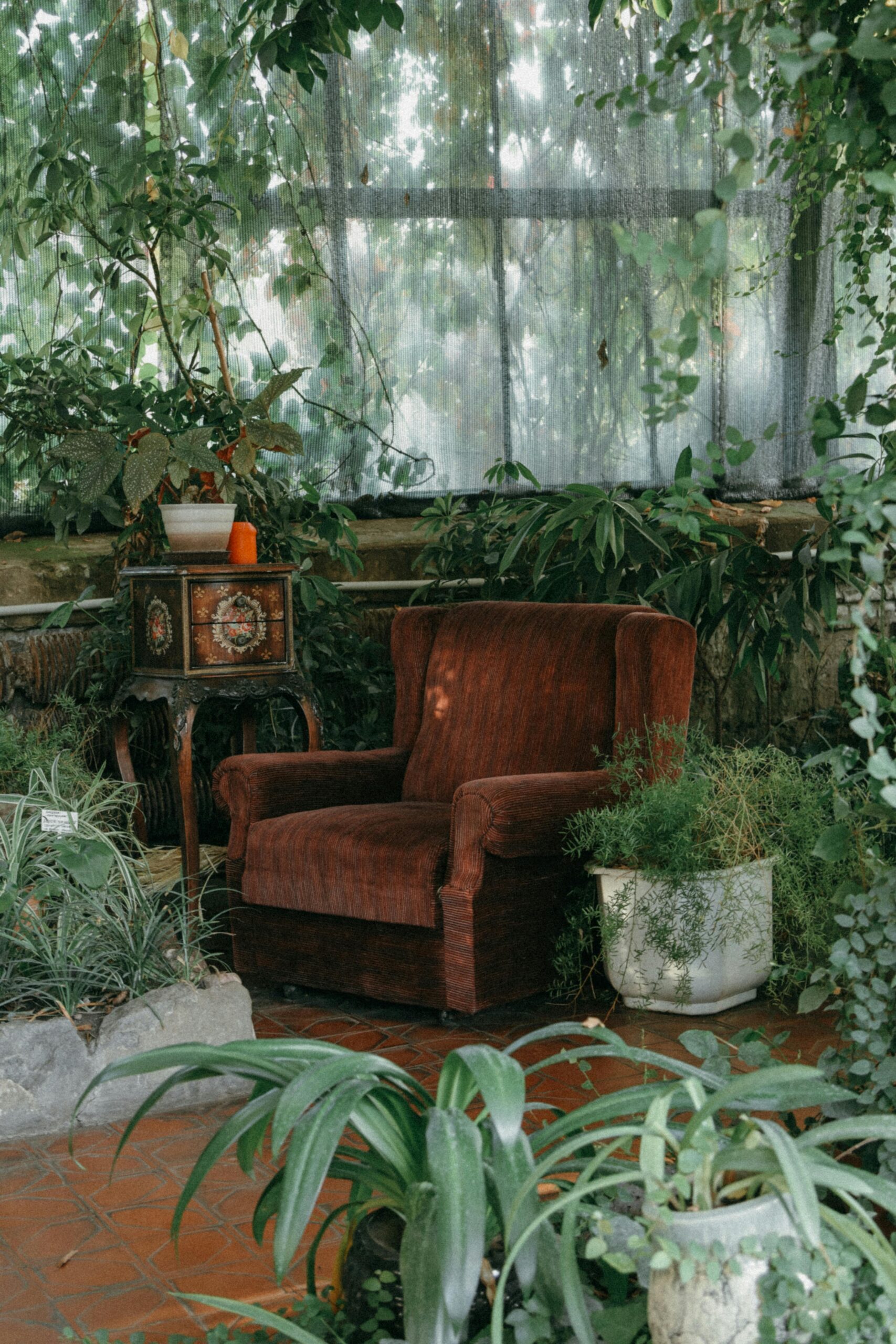
Front yard landscaping in 2026 for elegant homes is defined by a shift away from high-maintenance “perfection” toward Structured Naturalism. The goal is to create a sense of arrival that feels both architecturally significant and ecologically grounded.
Here are the top design strategies for creating a sophisticated and welcoming front garden.
1. The “Soft Modernist” Entry
This aesthetic combines the clean lines of modern architecture with lush, romantic planting to prevent the home from feeling sterile.
- Floating Pavers: Use oversized, sandblasted stone or light-colored concrete pavers. By leaving small gaps between them and filling those gaps with fine gravel or a low-growing “steppable” like Thyme or Dwarf Mondo Grass, you create a “floating” effect that leads the eye to the front door.
- The Layered Palette: Instead of a single row of shrubs, use a three-tier depth system.
- Tier 1 (Height): A sculptural multi-stem tree like a Japanese Maple or Serviceberry.
- Tier 2 (Structure): Mid-height “Soft-Touch” evergreens or clipped boxwood globes.
- Tier 3 (Textural Fill): Billowing perennials in the 2026 trending “Faded Petal” tones (muted pinks and ivories).
2. “Estate-Style” Meadow Borders
In 2026, the traditional manicured lawn is often replaced (or bordered) by a Keystone Meadow. This looks like a deliberate, high-end wildflower garden rather than an untended field.
- Framed Wildness: The secret to making a meadow look elegant is the “Mown Margin”—a 2-foot strip of neatly kept turf or a clean stone edge that surrounds the taller, wilder plants. This signals that the “wildness” is intentional.
- Planting Selection: Focus on “Superstar” natives that offer structure, such as Coneflowers, Blue False Indigo, and Little Bluestem grass. These provide year-round interest even in winter when they turn a striking copper hue.
3. Grand Lighting: “The Moonlight Glow”
Elegant front yards in 2026 avoid harsh spotlights in favor of Dark-Sky Compliant lighting that enhances the home’s features without causing glare.
| Lighting Technique | Visual Effect | Best Placement |
| Moonlighting | Soft, filtered light through branches. | High up in large canopy trees (e.g., Oaks or Maples). |
| Grazing | Highlights the texture of stone walls. | Base of stone pillars or the home’s facade. |
| Path Shadowing | Projects leaf patterns onto the walkway. | Small LEDs placed behind architectural grasses. |
4. Smart Hardscaping: The “Arrival Experience”
Hardscaping should act as the “bones” of your front yard.
- Corten Steel Accents: Use weathered steel for retaining walls or planter boxes. The deep orange-brown patina offers a sharp, industrial contrast to soft green foliage.
- Permeable Luxury: Instead of standard asphalt, use “Permeable Paving” systems that allow water to soak back into the earth. In 2026, these are available in high-end finishes like tumbled granite or porcelain that look identical to traditional stone but are significantly more eco-friendly.
- The Focal Basin: A low-profile, black stone water feature near the entrance provides a subtle acoustic buffer from street noise and a reflective surface for the sky.
5. 2026 Maintenance: “The Precision Prune”
To maintain an elegant look, the “cloud pruning” or Niwaki style is popular. Rather than shearing hedges into flat boxes, plants are pruned into soft, organic mounds that look like “green clouds.” This requires less frequent maintenance and feels more aligned with current “Organic Minimalist” trends.
Designer Tip: Match your front yard’s “Hardscape Hardware” (mailboxes, house numbers, and light fixtures) to your interior hardware. If you have brushed brass handles inside, use a matching brass finish for your exterior numbers to create that cohesive “Visual Bridge” before guests even step inside.