
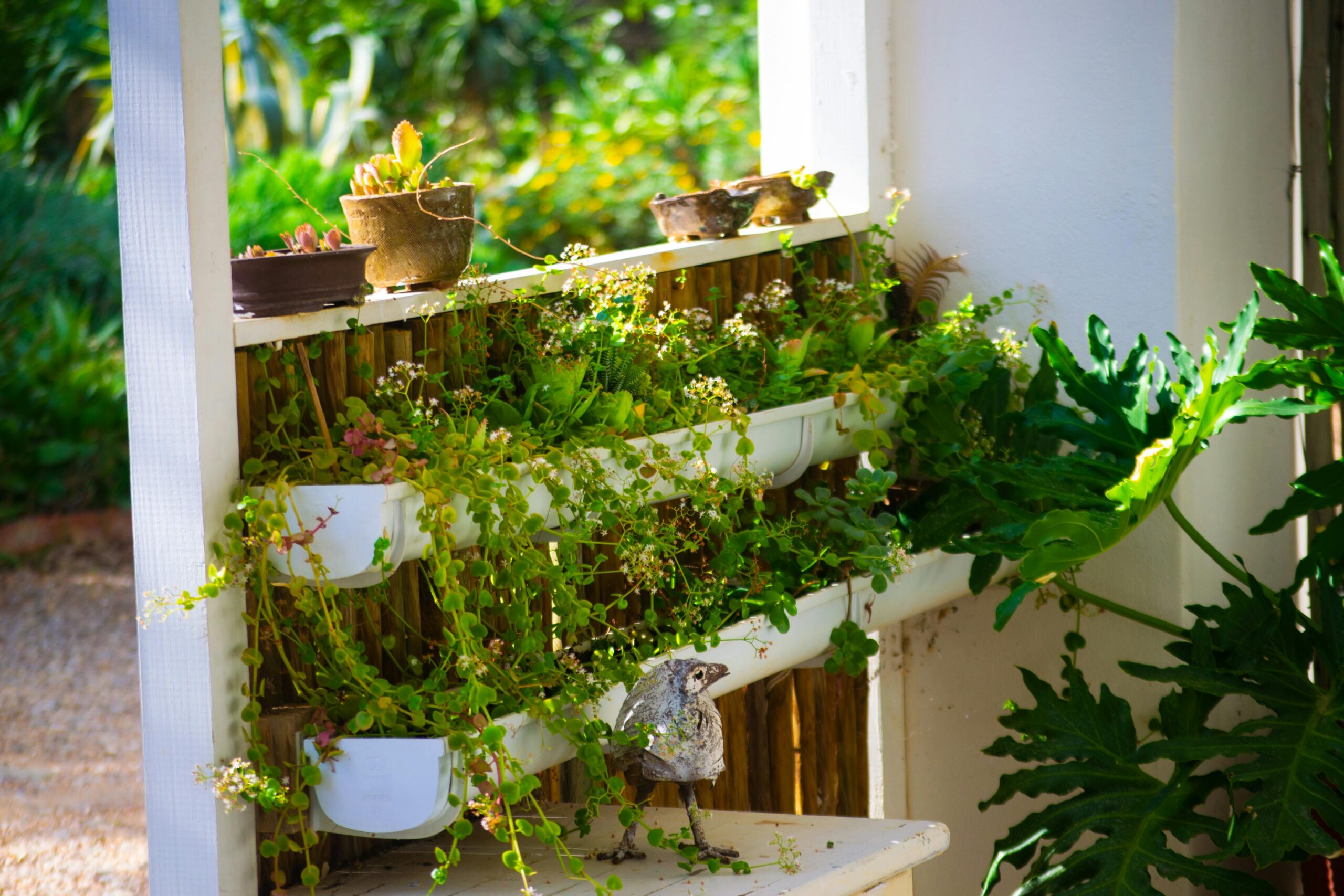
In April 2026, the relationship between home design and indoor plants has shifted from “decoration” to “Human-Centric Biophilia.” Architects are no longer just placing plants in rooms; they are designing rooms around the light requirements of specific botanical life, utilizing “active” glass technology and passive solar strategies to ensure year-round vitality.
1. Smart Glass: The “Active” Light Filter
In 2026, glass is no longer a passive barrier. New “Living Windows” use technology to manage light spectra specifically for plant health.
- Electrochromic & Thermochromic Glazing: These smart windows can change their tint in seconds based on electrical signals or temperature. For indoor plants, this prevents the “scorching” effect of direct midday sun while allowing high light transmission (90%+) during the morning and afternoon.
- UV-Selective Coatings: High-end 2026 glass is designed to block harmful infrared heat while maximizing the transmission of PAR (Photosynthetically Active Radiation). This allows plants to photosynthesize at maximum efficiency without overheating the interior room.
- Vacuum Insulating Glass (VIG): These ultra-thin panes offer superior insulation, preventing the “cold-draft” shock that often kills tropical plants near windows during winter months.
2. Passive Solar & Orientation
Modern 2026 floor plans prioritize “Solar Apertures”—strategic window placements designed for both human comfort and plant growth.
- The South-Facing “Direct Gain” Zone: 2026 designs place high-light “Keystone” plants (like Strelitzia or Olive Trees) within 30 degrees of true south. This zone acts as a solar collector, where the plants and dark-colored thermal mass floors absorb heat during the day and radiate it back at night to maintain a stable micro-climate.
- Light-Colored Reflective Surfaces: To support low-light plants in deeper parts of the home, designers are using Matte White or Pale Oat ceilings and walls. By angling horizontal window slats upward, direct sunlight is bounced off the ceiling and diffused deep into the room, providing a soft “glow” for ferns and Calatheas.
- The Central Courtyard (Brahmasthan): A top trend in 2026 is the Central Open Courtyard. This allows natural light to reach every room from the “inside out,” creating a 360-degree light environment that prevents plants from leaning or becoming “leggy.”
3. Automated Window Treatments
As of 2026, Smart Shades are a standard integration in new builds, acting as the “automated gardener” for your light levels.
| Treatment Type | 2026 Innovation | Benefit for Plants |
| Cellular “Honeycomb” Shades | Top-down/Bottom-up motorization. | Protects roots/soil from heat while keeping the top of the plant in full light. |
| GreenScreen Sea-Tex | Recycled ocean plastic fabrics. | Diffuses harsh light into “dappled” sun, mimicking a forest canopy. |
| LED-Integrated Roman Shades | Built-in full-spectrum LED strips. | Supplements natural light during dark winter days or “Marine Layer” mornings. |
4. Architectural “Planting Nooks”
Rather than using loose pots, 2026 architecture builds Integrated Planting Pockets directly into the home’s structure near light sources.
- The “Window-Seat Garden”: Deep, insulated window sills with built-in drainage and “Smart Soil” reservoirs. These allow plants to sit at the primary light source without cluttering the floor.
- Sunken “Green Pits”: Areas of the living room floor designed with a slight drop and waterproof lining, positioned directly under Skylights or Light Wells. This allows for the planting of large, floor-level trees that receive overhead light, mimicking their natural environment.
5. Designer Checklist for Light-Led Design
- Map Your PAR: Use a light-meter app to map the “Photosynthetically Active Radiation” in your room across a full day.
- Angle Your Slats: Keep horizontal blinds angled up at 45° to bounce light to the ceiling and deeper into the room.
- The 2-Foot Rule: In 2026, most “bright indirect” plants are placed precisely 2 feet away from a south-facing window with a sheer “Sea-Tex” curtain.
- Rotate for Geometry: Because windows provide directional light, rotate your architectural plants by 90° every two weeks to maintain their sculptural, symmetrical form.