
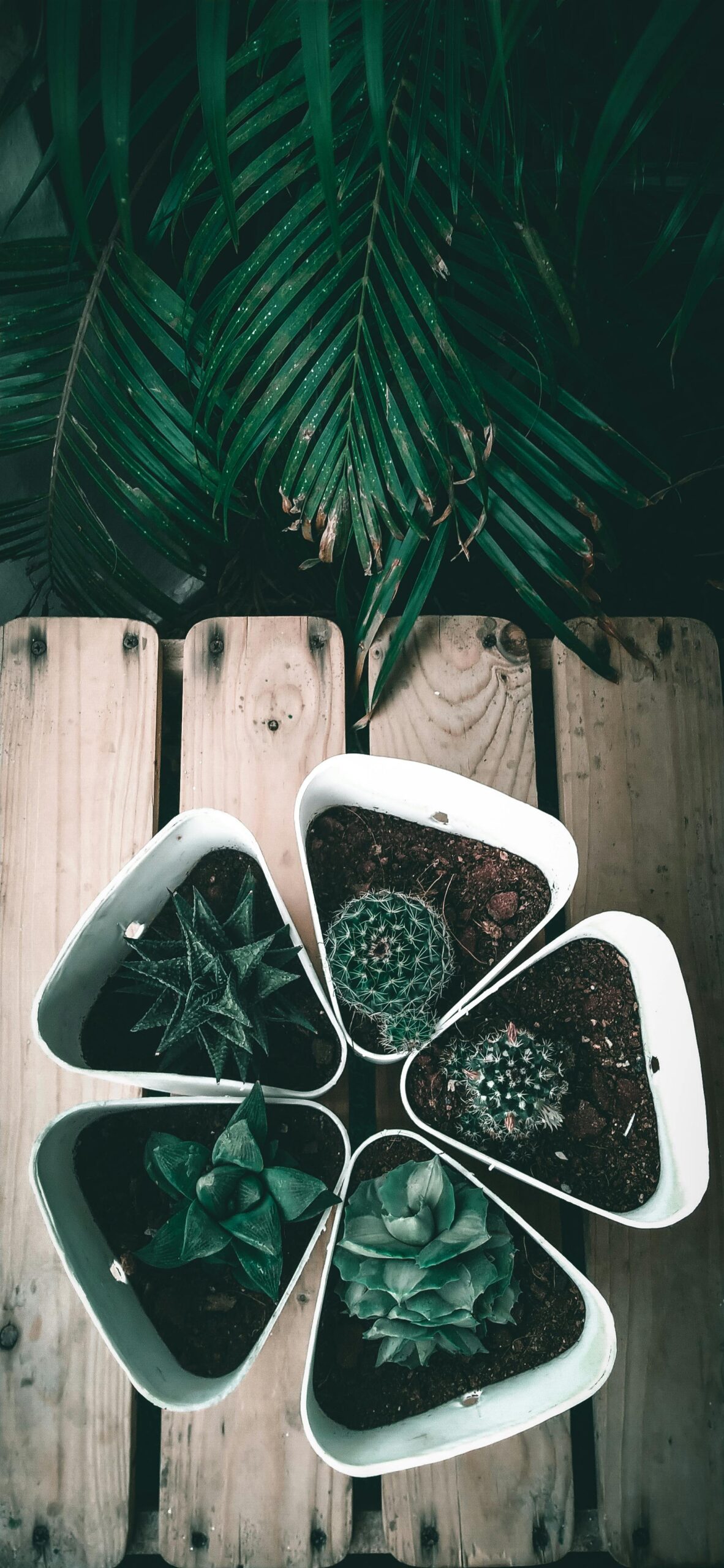
In April 2026, minimalist design has evolved from the cold, “gallery” look of the past decade into Organic Minimalism (also known as Warm Minimalism or Biophilic Minimalism). The goal is to retain a clutter-free environment while using natural green elements to provide the warmth and soul that traditional minimalism lacked.
1. The 2026 Palette: “Muddy Neutrals”
The “hospital white” walls of 2020 are officially out. In 2026, the foundation of a minimalist home is built on complex, nature-inspired tones.
- The Base: Use warm whites (like Swiss Coffee at 75% strength), oatmeals, and mushroom taupes. These colors shift with the natural light throughout the day.
- The “Green” Anchor: Instead of bright accents, designers are using Sage, Moss, and Muddy Olive. These tones act as a visual bridge between your furniture and your indoor plants.
- Tactile Textures: Minimalism in 2026 is “felt” as much as seen. Layer slubby French linens, nubby bouclé, and thick braided jute to prevent a neutral room from looking flat.
2. Natural Greenery as “Living Architecture”
In an Organic Minimalist home, plants are not just accessories; they are structural elements.
- The “Oversized Branch” Trend: Rather than dozens of small pots, 2026 style favors a single, dramatic statement. Place a 4-foot leafy branch (like Magnolia or Olive) in a heavy, handcrafted ceramic floor vase. This creates a “sculptural” impact without adding clutter.
- Vertical Biophilia: Use “living walls” or floor-to-ceiling shelving units where the plants (like Philodendron Silver Sword) act as a soft room divider.
- The “Bathroom Spa” Hack: A major 2026 trend is hanging fresh eucalyptus from the showerhead. The steam releases essential oils, transforming a minimalist bathroom into a sensory biophilic retreat.
3. Materials: “Honest and Raw”
Modern homes this year prioritize materials in their most authentic, unpolished form.
- Matte Woods: Replace glossy finishes with raw, heavily grained Walnut or Reclaimed European Oak. The visible knots and imperfections provide the “soul” of the room.
- Honed Stone: Avoid reflective marble. Instead, look for travertine or limestone with a “honed” (matte) finish. Unfilled travertine, with its natural pits and holes, is a 2026 favorite for coffee tables and vanities.
- Curved Silhouettes: To break the “visual grid” of a minimalist room, follow the 3-to-1 Rule: for every three linear pieces of furniture, introduce one organic curve (like a kidney-shaped sofa or an arched doorway).
4. Digital Wellness: The “Discreet” Tech
A minimalist home in 2026 hides its technology to maintain a calm atmosphere.
| Feature | Traditional Minimalism | 2026 Organic Minimalism |
| Lighting | Stark recessed LEDs. | Layered Glow: Linen shades and ceramic lamps. |
| Technology | Visible screens and wires. | Discreet Integration: Hidden speakers and “Art” TVs. |
| Storage | Open shelving (visual noise). | Seamless Built-ins: Floor-to-ceiling “invisible” cabinets. |
| Sustainability | Fast-furniture “looks.” | Circular Design: Modular pieces made to be repaired. |
5. Summary: How to Style a Room (April 2026)
- Start with the Rug: Anchor the space with a large (8×10+) chunky wool or jute rug.
- Choose “Hero” Pieces: Invest in one high-quality solid wood table or a low-slung linen sofa.
- Add the “Green” Soul: Place one large, moisture-loving plant (like a Bird of Paradise) near a window with sheer curtains to blur the line between inside and out.
- Practice “The Edit”: If a piece of decor doesn’t serve a function or bring a distinct sensory joy (like a textured ceramic vase), remove it.
2026 Designer Tip: “Negative space is a deliberate design element. It is not ’empty’—it is the space that allows your mind and your plants to breathe.”